Case Study:
How LMA Timber increased inbound enquiries by 86 percent and drove double digit revenue growth in a declining market
A market-leading timber supplier ready to influence decisions across the full buying journey.


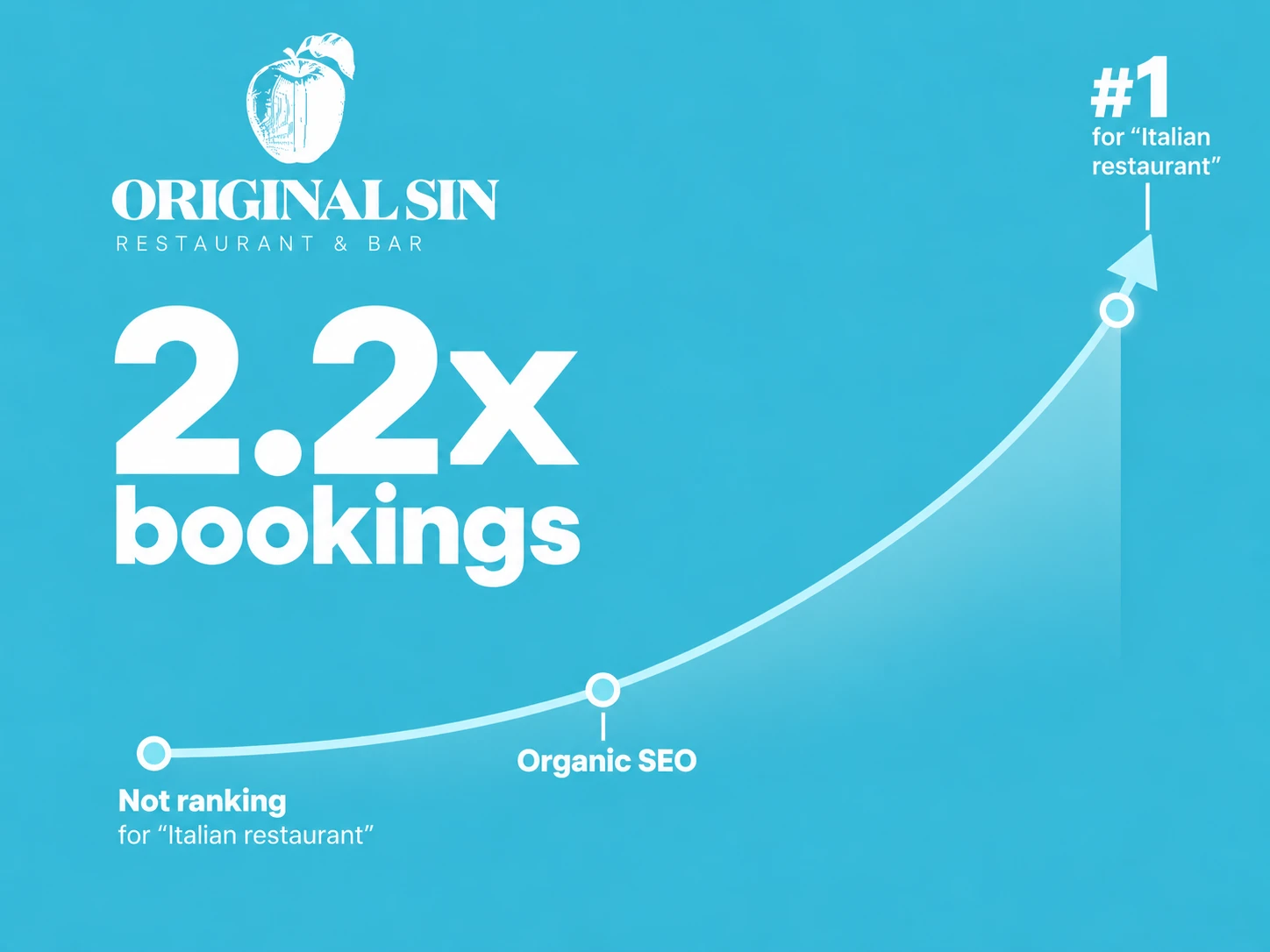 LatestOriginal Sin: 2.2x bookingsRead the case study →
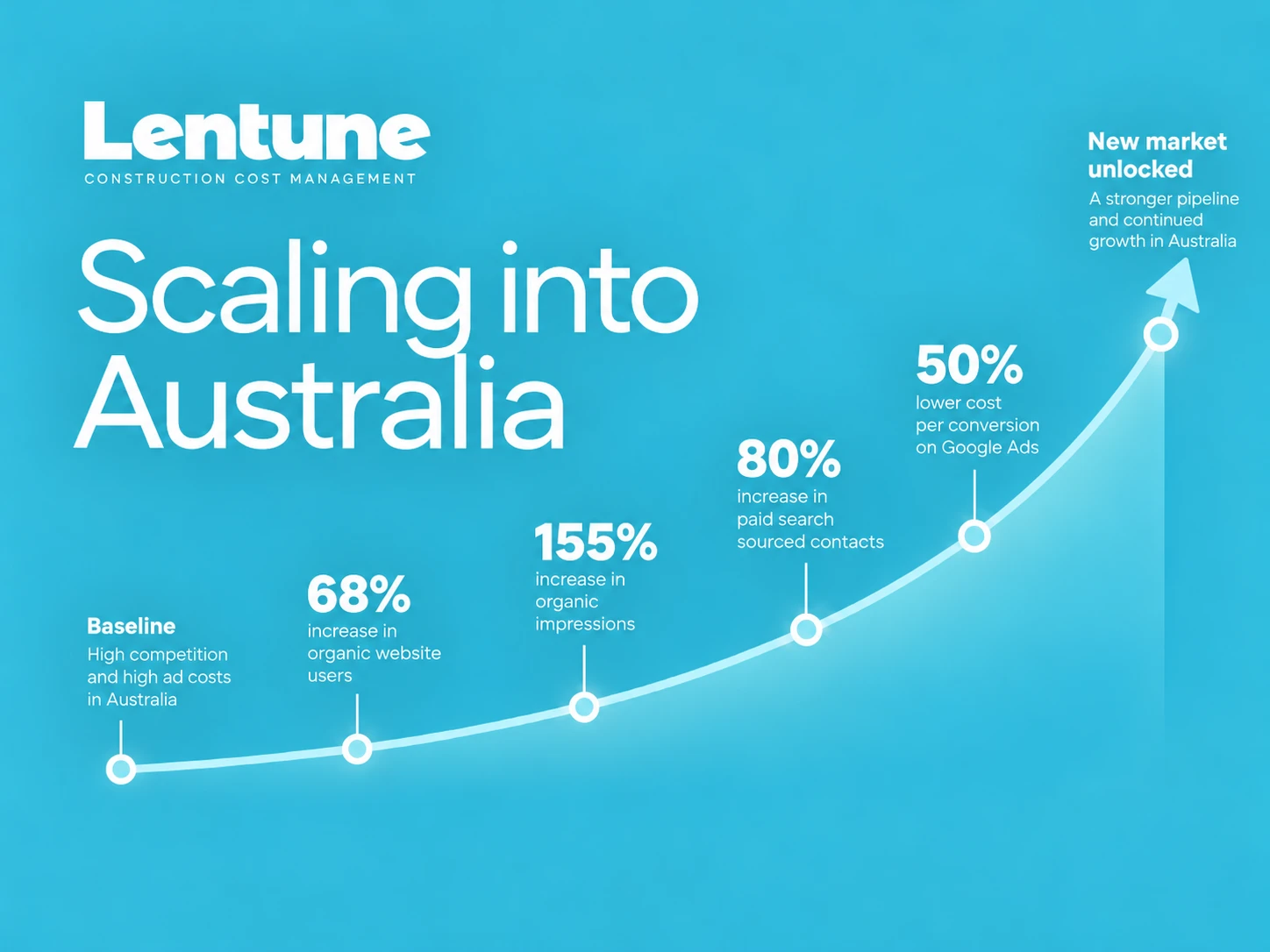 Going globalLentune scales into AustraliaRead the case study →
 Most downloadedGoogle ranking factors checklistGet the checklist →
 Latest articleThe best website and analytics toolsRead the article →
 FeaturedMeet the teamSee who you'd work with →
 Join usCareers at TractionSee open roles →
Search is shifting. Generative engines like ChatGPT, Perplexity, and Google’s AI Overviews prioritise answers over traditional search results. Customers ask a question and expect an instant, AI generated response. Answer Engine Optimisation puts your business inside those answers so you stay visible when buyers search in natural language.
AEO, also known as Generative Engine Optimisation or GEO, goes further than traditional SEO. It focuses on structuring your content so AI systems can interpret it, trust it, and use it confidently in their outputs. It is a more technical and more strategic evolution of search optimisation. And it is becoming essential for any business that wants to stay competitive in a landscape where AI generated answers are the first thing customers see.
How do you rise up the Google rankings? The keys to AI success are hidden within the data, we just need to dig them out. At Traction our AEO approach is based on hard data: it informs every decision we make, and every strategic step we take. We’ve spent the last 24 months crafting AEO methods that feature minimal risk, but deliver maximum reward.
We don’t see ourselves as just another supplier or service provider. We’re partners in your digital growth: when you succeed, we succeed. We prioritise quality over quantity, to the point that we cap the size of our own team to ensure that we only hire the best, most innovative digital minds who are capable of driving unmatched growth for our clients.
The majority of the sharp marketing minds on the Traction team have worked beyond NZ borders, for some of the world’s biggest brands. Over time we’ve gained an understanding of the unique realities and regulations of different markets, and the strategies that work best in each. We’ve been the team of choice for dozens of Kiwi businesses who operate globally.
Think SEO, but instead of chasing Google’s crawlers, you’re training AI models to remember you. AEO is a content-first discipline, not a technical checklist. It’s about building content that fits how AI retrieves, interprets, and assembles answers.
Traditional SEO wins clicks. AEO wins mentions inside answers—and that’s where the most curious, high-intent traffic is now coming from

Your strategic goals mapped to an annual digital work plan
A market-leading timber supplier ready to influence decisions across the full buying journey.
Sumi Gella
Marketing Associate
Jordyn Lord-Mitchell
Senior Digital Consultant
Laura Morwani
Senior Digital Consultant
Duncan Wilson
Senior Digital Consultant
Titus Kam
Senior Digital Consultant
Chris Clarke
Practice Lead
What was really impressive was how quickly they understood our business, sector and requirements. Their technical skill, modern and fresh approach to design and innovative way of thinking meant the ideas continued to flow and we were able to tackle any complex issue or problem that came our way.

We’re getting sign ups and enquiries, and it’s creating momentum. Just from the numbers on inbound, we went from basically nothing to now having a 80-100 inbound leads per month.

Traction's depth of knowledge in digital marketing is impressive, and what sets them apart is Jordana's ability to explain complex concepts without making you feel overwhelmed. Traction Digital Marketing continues to bring remarkable results to our company in the digital space. Highly recommended!

Traction brought a systematic approach to digital marketing. They are driven; here to make a real difference, not to muck around. At the same time, they were personable and engaging, and offered an adaptable service that continually changed in-line with our evolving needs.

Traction helped me understand my customer base and where to focus our marketing and sales effort. It gave us a strong understanding of both our position in the market, and who our ideal customer was.

AI search is already here and it’s only going to get bigger in NZ as the latest updates are rolled out from the States. ChatGPT, Gemini, Perplexity, even Google’s AI Mode, they’re all answering your customers’ questions without showing your site. If your brand doesn’t appear in those answers, you’re invisible.
The reward? AEO traffic converts better than traditional SEO, because the people clicking through from AI results are already sold on the solution. They’re not just browsing, they’re ready to act.
SEO is about ranking in Google’s and Bing’s search results. AEO is about being part of the answer itself. SEO feeds humans, AEO feeds the machines, so humans hear about you from AI before they even hit a search results page. We are already seeing many B2B buyers use AI AEO to do their research on prospective suppliers over the use of more traditional tools like Google. So if your website is not ready or well understood by AI, there is a risk your leads will start to dry up.
We use frameworks like VECTOR to create content AI can’t resist: clear, self-contained answers, semantically rich pages, and plenty of mentions in the places LLMs train on. Translation: we make you unforgettable to the robots.
Success in AEO is measured by the quality of AI-driven content visibility rather than direct clicks. For example, a SaaS business can track how often its content is referenced by AI search engines like ChatGPT, generating high-intent leads. One of our tools, SEMRush now tracks AI-driven content visibility and impressions, and when combined with our other tools, it provides lead indicators on platform presence and potential high-value traffic.
To work well with AI search, content should be written in small, self-contained sections that answer one specific question at a time. Each section should clearly state the key facts, include relevant details (like product names, ingredients, or industry terms), and avoid vague statements. For example, a New Zealand pet food manufacturer could create a page answering the question: “What are the benefits of grain-free dog food for large breeds?” The content could include specific entities like the dog food brand, key ingredients (e.g., chicken, sweet potato), and nutritional benefits. This makes it easier for AI to identify exactly what the content is about and provide precise answers when someone searches for this topic.